
Turning paid traffic into solar leads.
Redesigning a high-friction calculator journey so the traffic E.ON already paid for turns into qualified leads.
My Role
Led design end-to-end
From research to testing, working with a junior designer and partnering with PM, engineering, and the PO on strategy and delivery.

+300%
Lead conversion uplift

UK rollout
Adapted and rolled out for the UK market.


More
sun for a
brighter
tomorrow.

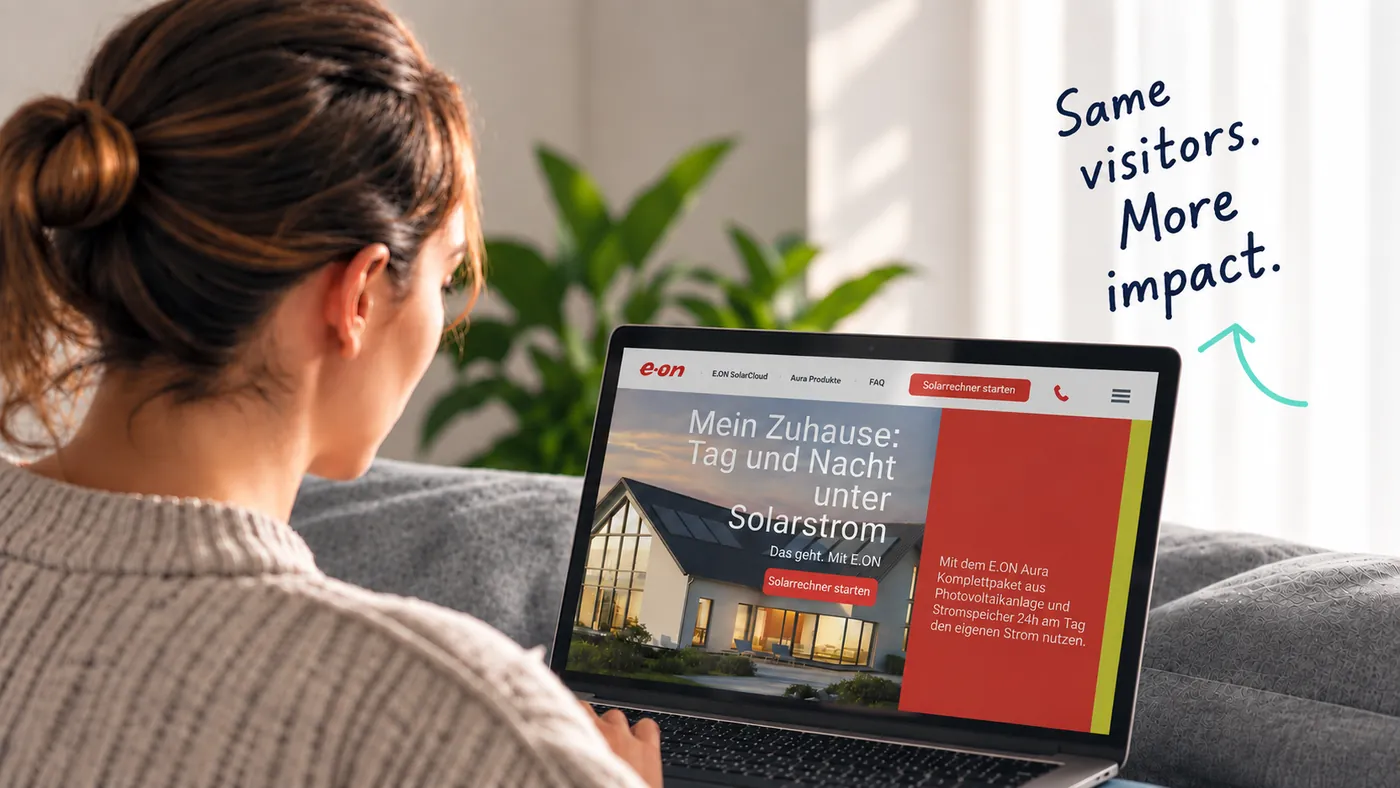
We had the traffic.
Not the leads.
E.ON paid for traffic, but only about 5.1% converted to leads. People researched solar, then dropped off before finishing the calculator. We never got their details.
The opportunity wasn’t more traffic. It was more value from the traffic we already had.
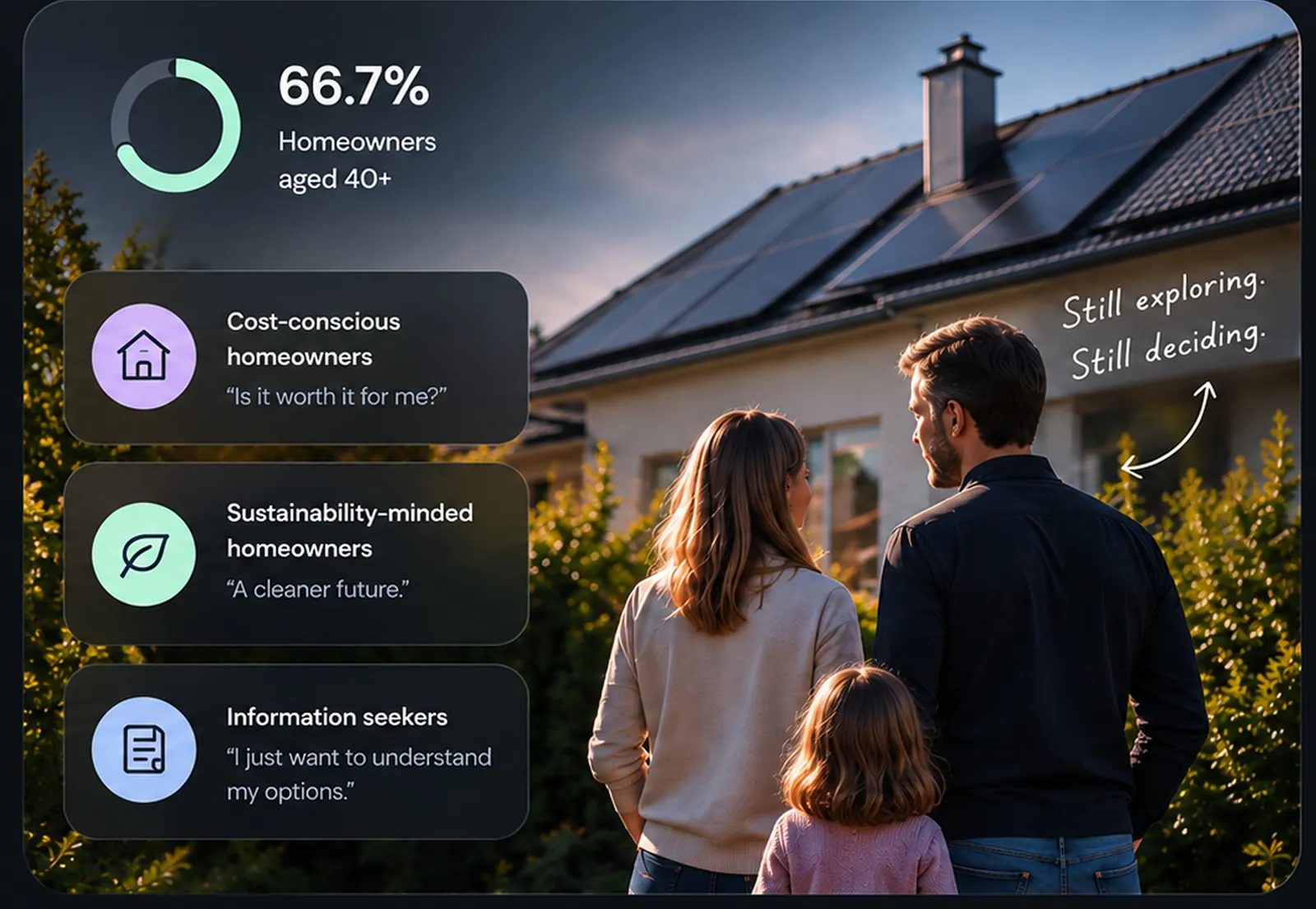
Who are we designing for?
The German market
Key insight
Interest was there. Confidence wasn't.

A narrow window, lost at Calculate.
The solar calculator was a critical step between interest and becoming a lead.
Homeowners usually decided within 24 hours — but over 85% dropped off at Calculate. A slow, heavy calculator cost us the whole decision window.
The calculator
asked for too much.
A useful estimate required detailed information about the home.
The original questions were built for the algorithm, not for the customer.
Some dropped off. Others never started.
Finding these details
takes time.
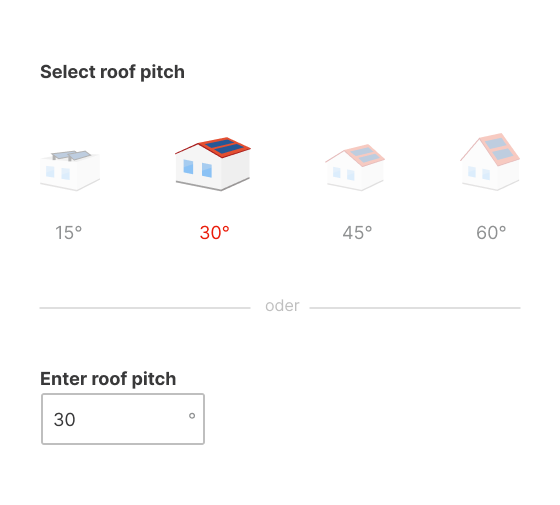
Too many questions.
Many drop-offs.
The calculator needed data.
The customer didn't want to find it.
The estimate depended on detailed information about the home. But every question added friction.
Design question
How can we get the data we need without making the customer do all the work?
A simpler path to a smarter estimate.
We redesigned the experience around three principles: automate what we can, ask only what's easy to answer, and make the value clear.
Let the system find the data.
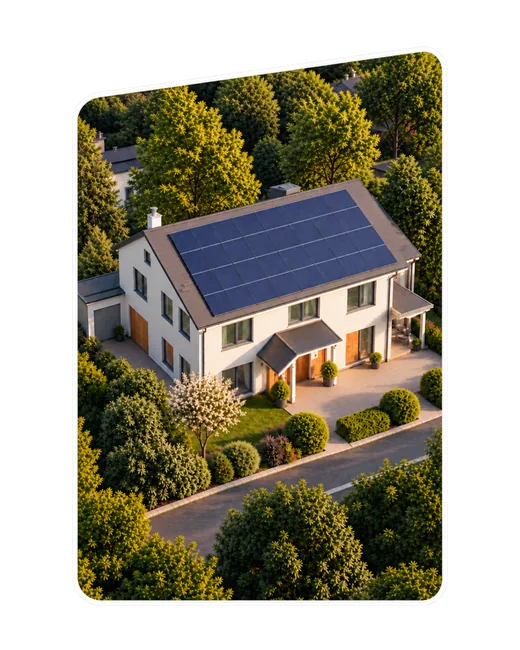
We use the customer's location to retrieve key details about their home upfront, so there's less to type and fewer questions to answer.
Fewer inputs. Fewer unnecessary questions.
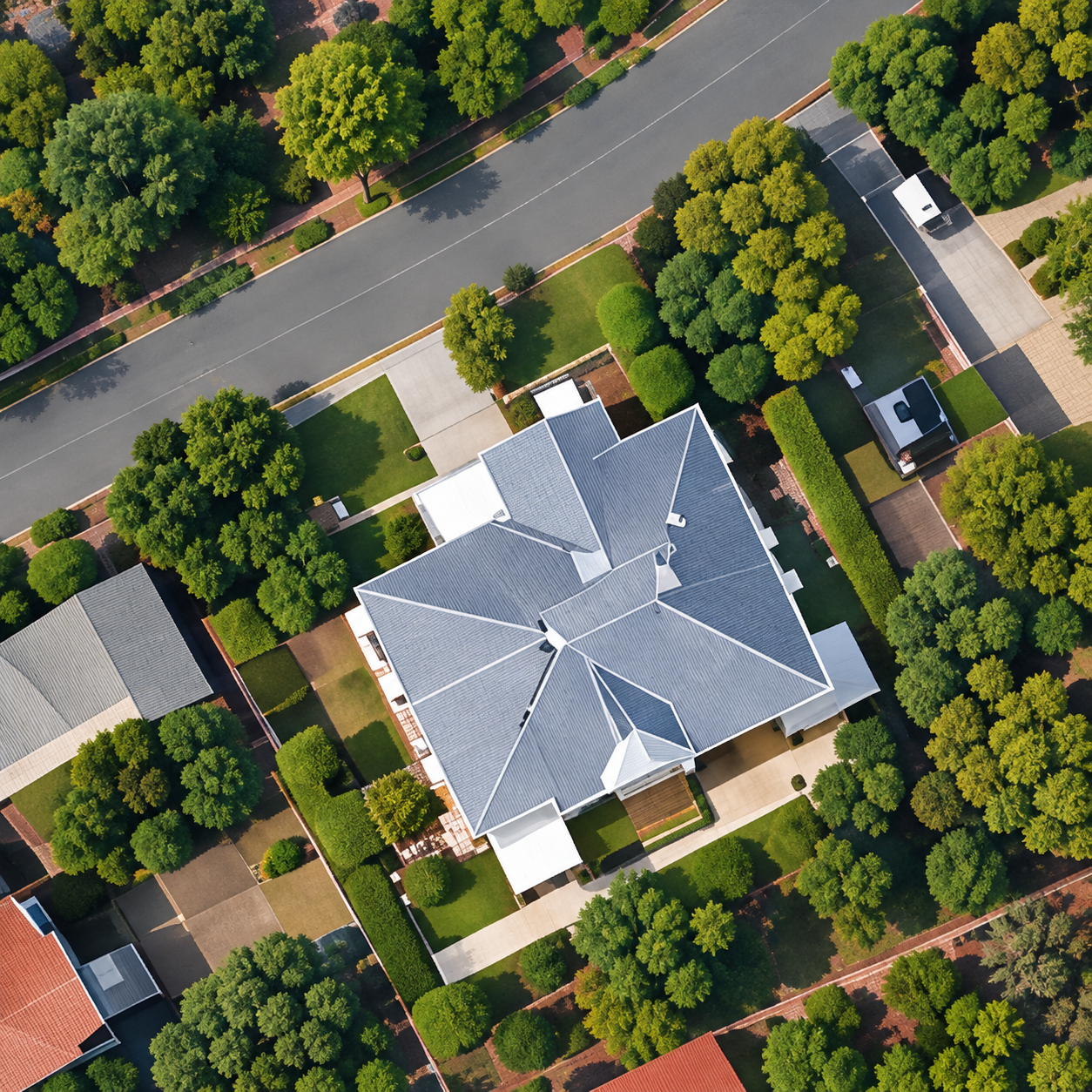
Manual input
- Roof size?
- Roof inclination?
- Sunlight exposure?
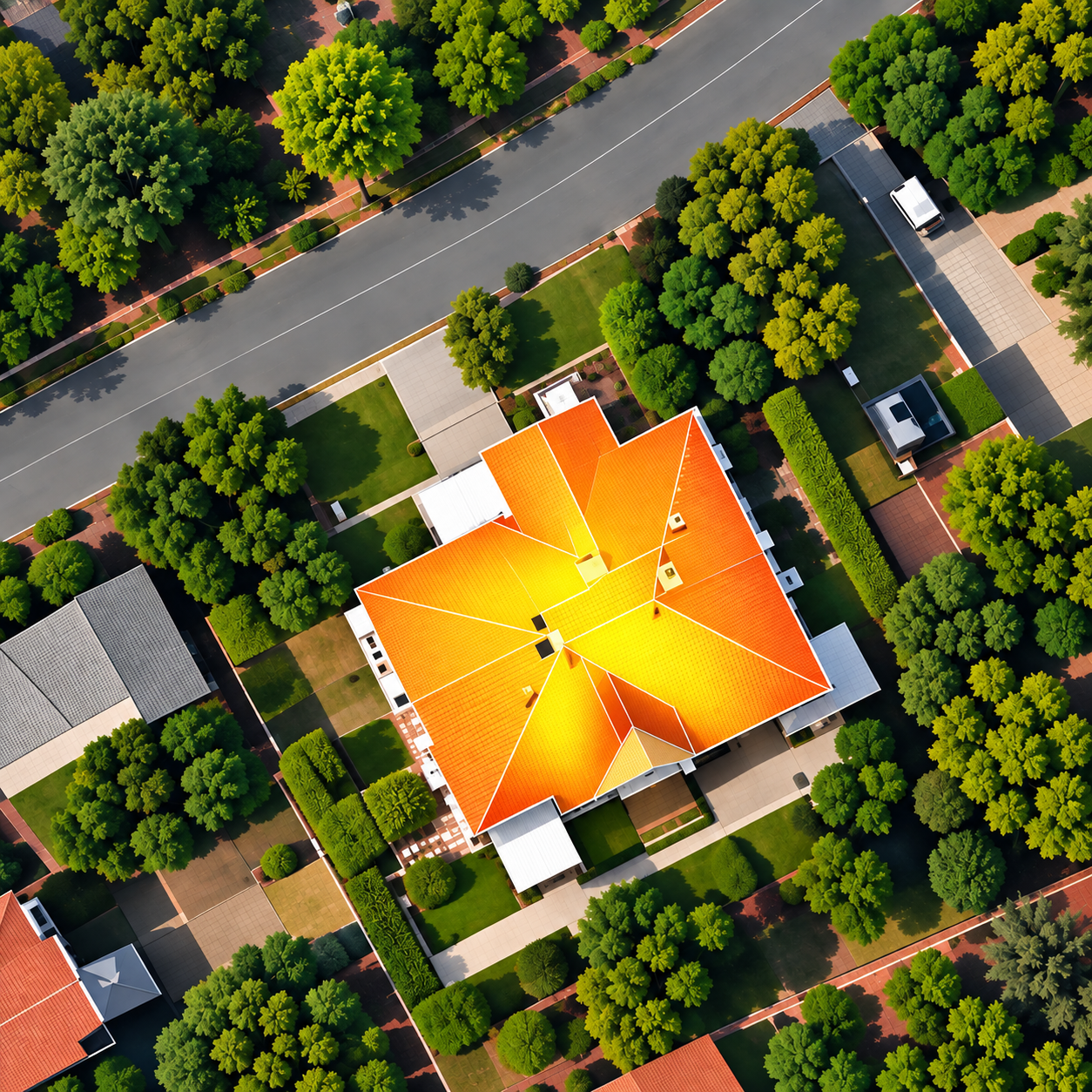

We found your roof
- Roof size
- Roof inclination
- Sunlight exposure
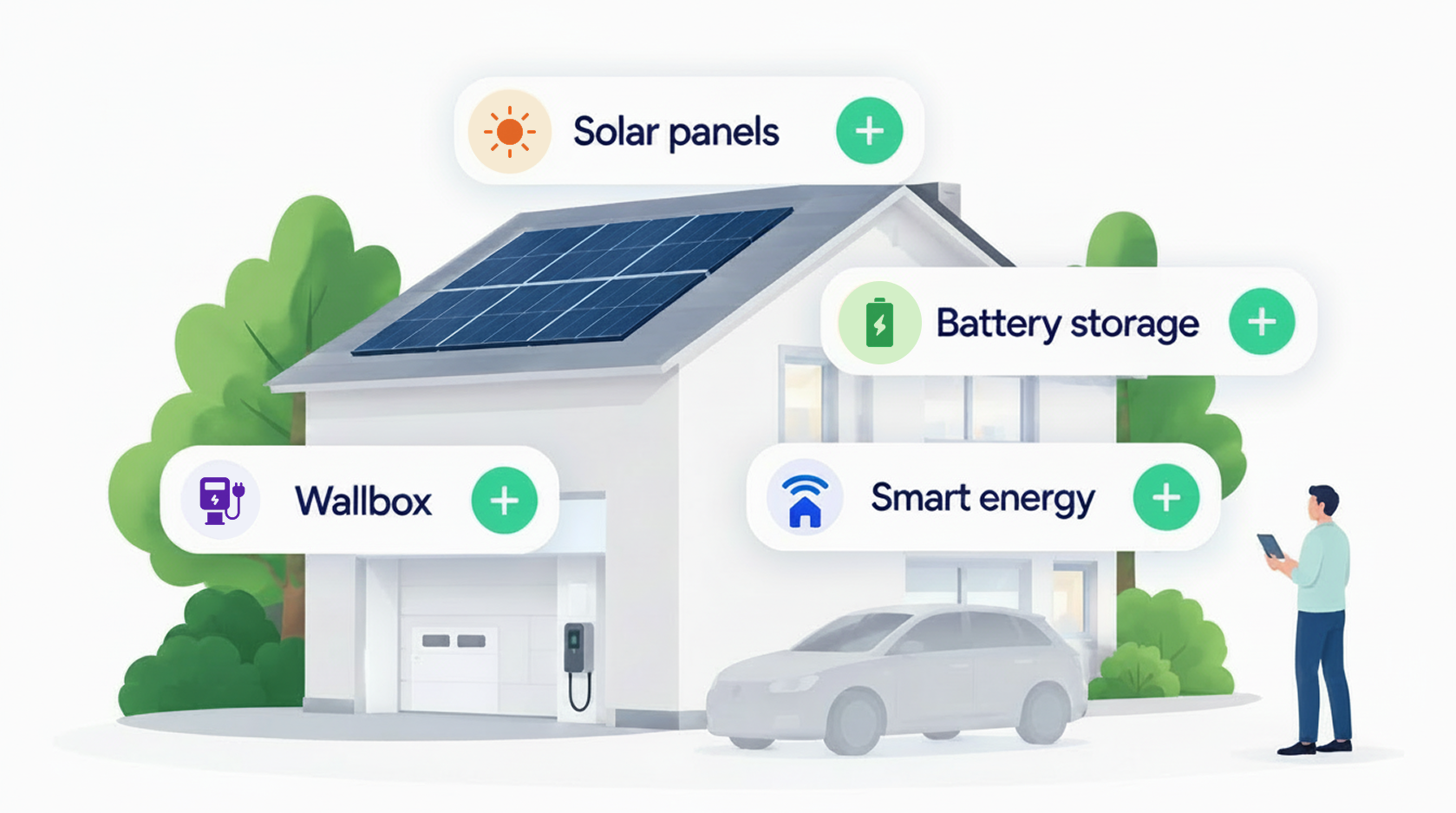

Testing withreal customers.
We tested the redesigned calculator with customers and combined several sources of feedback.

It was so much
easier than I expected.
Sarah K., Germany

We found your roof
- Roof size
- Roof pitch
- Sunlight exposure
Real impact.

+300%
Lead conversion uplift
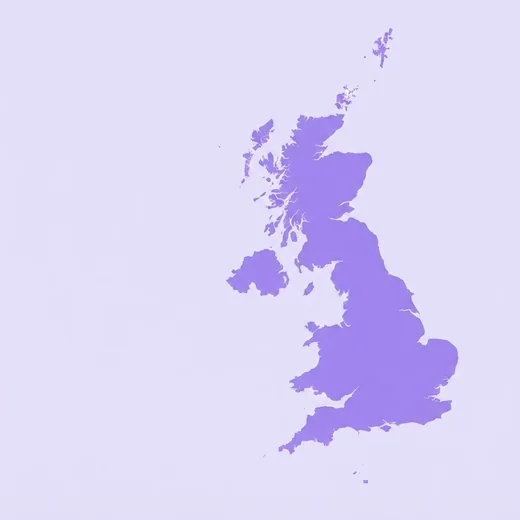

UK rollout
Adapted and rolled out to the UK market.